
Packing up your home or business always comes with its own share of challenges—but when it comes to fragile items, the stakes are a bit higher. These are the pieces that carry emotional value, monetary worth, or irreplaceable memories—from the antique vase handed down through generations, to your favorite set of crystal glasses, to the flatscreen TV you saved up for. And yet, in the rush to get everything boxed and ready, these delicate possessions are often the first to be damaged, cracked, or completely shattered.
That’s because fragile packing requires more than just wrapping something in newspaper and hoping for the best. Without the right materials, packing techniques, or labeling, even a short move can result in broken glass, scuffed wood, or crushed collectibles. And once something precious is gone, it’s often gone for good.
The ideal move isn’t just about getting from point A to point B—it’s about arriving with everything intact, organized, and ready to enjoy in your new space. That includes everything from everyday dishes to high-end electronics, and from delicate heirlooms to framed art. When fragile items are packed properly, you should be able to unpack with total peace of mind—not with fingers crossed and a trash bag ready.
Step-by-Step Packing Guide for Fragile Items
Layer and Cushion the Bottom
Start every box with a solid foundation—literally. Before placing a single item inside, create a shock-absorbing cushion on the bottom.
- Use crumpled packing paper, foam sheets, or bubble wrap to line the base.
- Build the layer about 2–3 inches thick so it can absorb impact if the box is dropped or stacked.
- Avoid using clothing or newspaper, which can shift or transfer ink.
This bottom cushion acts as your first line of defense against movement and pressure.
Wrap Each Item Individually
The golden rule of fragile packing: no item goes into the box unwrapped.
- Use bubble wrap, foam sleeves, or clean packing paper to wrap each piece on its own.
- Secure the wrap with tape, especially for items with odd shapes or delicate extensions (like handles, spouts, or stems).
Taking the time to wrap each item with care greatly reduces your risk of cracks, chips, and scuffs during transport.
Fill Empty Spaces
Once everything is packed and placed, your next job is to eliminate movement inside the box.
- Use crumpled paper, foam peanuts, or air pillows to fill all remaining gaps.
- Pay special attention to corners and spaces between stacked items—these are common weak points where items can bump into each other.
- Give the box a gentle shake—if you hear movement, you need more filler.
When packed correctly, your fragile items should feel snug, not rattling around.
Seal, Label, and Reinforce
Once your fragile items are safely packed, it’s time to close it up the right way.
- Reinforce all box seams with strong packing tape, especially on the bottom and top flaps.
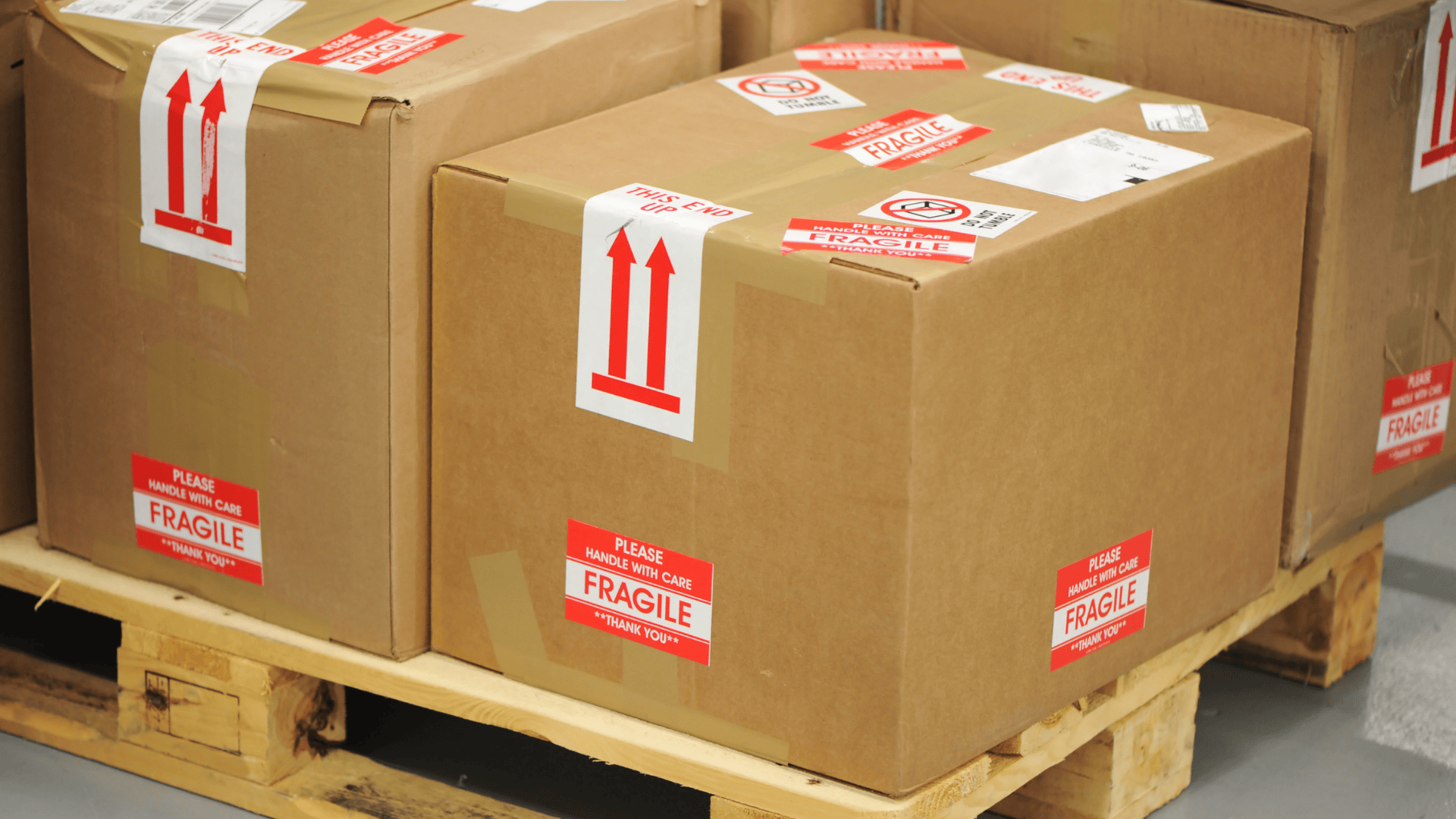
- Apply “Fragile” labels clearly on every side of the box—not just the top.
- Add “This Side Up” arrows for items that should remain upright (e.g., glass lamps, electronics, picture frames).
If you’re moving high-value items like collectibles, electronics, or heirlooms, consider creating a master inventory list. Number each box and list its contents on a spreadsheet or checklist so you can track them during loading and unloading. This is especially helpful for insurance or claims purposes in the rare event of damage.
Pro Tips for Packing Specific Fragile Items
Glassware and Dishes
Glassware and dish sets are especially vulnerable to cracking, chipping, or shattering in transit, particularly when items shift inside the box or are packed too tightly together.
- Use dish pack kits or cell dividers to keep each piece separated and padded.
- Wrap each dish individually, using bubble wrap or two to three sheets of packing paper.
- Stack plates vertically like records, not flat, which reduces pressure on the center of each plate.
- For wine glasses or stemware, wrap the stem and base separately, then secure the entire piece in another layer of wrap.
- Fill glasses and cups with crumpled paper to prevent internal pressure.
Electronics
Electronics aren’t just expensive—they’re also fragile and highly sensitive to impact, temperature, and static electricity. TVs, gaming consoles, desktop monitors, and sound systems all need extra attention.
- Use the original packaging if you still have it—these boxes are engineered to fit the item and protect it from shock.
- If not, choose a box slightly larger than the item and wrap the device in multiple layers of anti-static bubble wrap or foam padding.
- Remove batteries, ink cartridges, and detachable parts to prevent leaks or internal damage.
- Bundle and secure cords separately, labeling each one with painter’s tape so reassembly is a breeze.
- Avoid stacking anything on top of electronics and mark the box as “Fragile – Electronics – Keep Upright.”
Mirrors and Frames
Mirrors, framed photos, and artwork are some of the most common casualties in a move. Their combination of glass, thin edges, and awkward size makes them especially tricky.
- Use corner protectors, available at most packing supply stores, to shield fragile edges from pressure and cracking.
- Wrap each piece in bubble wrap or foam sheeting, and place a cardboard sheet or flat foam panel on both the front and back.
- Always pack and transport mirrors and frames standing upright, never flat. When laid flat, they’re more likely to flex and crack under pressure.
- For large pieces, consider a mirror box or custom crate.
If you’re moving multiple framed items, separate them with cardboard sheets or foam panels and stand them together inside a dish pack box.
Lamps and Shades
Lamps come in two parts—the base and the shade—and should be packed accordingly.
- Remove the bulb and shade, wrap the cord, and pack the base with bubble wrap in a sturdy box padded with crumpled paper or foam on the bottom.
- Pack lamp shades separately, placing each in a large box lined with soft material. Never wrap shades in newspaper or bubble wrap, as they can dent easily.
- If stacking multiple shades, nest them (like bowls) and separate each one with tissue or packing paper.
Label both boxes clearly and mark them as “Fragile – Lamp Base” and “Fragile – Shade Only.”
Antiques and Collectibles
If you own antiques, collectibles, or irreplaceable heirlooms, you’ll want to take extra steps to protect them—not only from impact but from moisture, temperature changes, and poor handling.
- For small, delicate items, wrap in acid-free tissue, then bubble wrap, and place in small padded boxes.
- For large or unusually shaped items, consider custom crating, especially for items like statues, grandfather clocks, or vintage furniture.
- If possible, insure high-value items through your moving company or homeowner’s policy. Take photos of each item before packing for inventory and claims purposes.
Protect What Matters Most
When you’re preparing for a move, it’s easy to overlook the fragile items—until something breaks. But for most people, these aren’t just things—they’re memories, heirlooms, and investments. That delicate wine glass set from your wedding, the vintage guitar passed down from your grandfather, or the artwork that made your last house feel like home—these items deserve more than a quick wrap and a wish for the best.
Don’t take chances with your most important items. Whether you’re packing an entire home or just need help with a few delicate valuables, The American Dream Moving & Storage has the expertise and equipment to get the job done right.
We specialize in secure packing, custom crating, heavy-duty transport, and even military-clearance relocations—so you can rest easy knowing every item is treated with care, from pickup to delivery.
📞 Call Today: (818) 337-9495
🌐 Visit: vetsmoveyou.com
📍 Serving: Acton, CA & Surrounding Areas
🚛 Licensed & Insured
DOT: 2722770 | MC: 988657 | BHGS: MTR0191677 | CAMC: 497805 | DBIDS: 20235365